Available Properties
 Find an Agent
 Bespoke property sourcing
 Investment App
 Sourced Financial Services
 Get a quote
 Blogs
 Podcast
 Guides
 Webinars
 Investment Strategies
 Choose Your Franchise
 Property Franchise
 Living Franchise
How to Start an Airbnb Management Business in the UK
You don’t need to own property to build an Airbnb management business. Discover how to find owners, define your services and manage a growing portfolio.
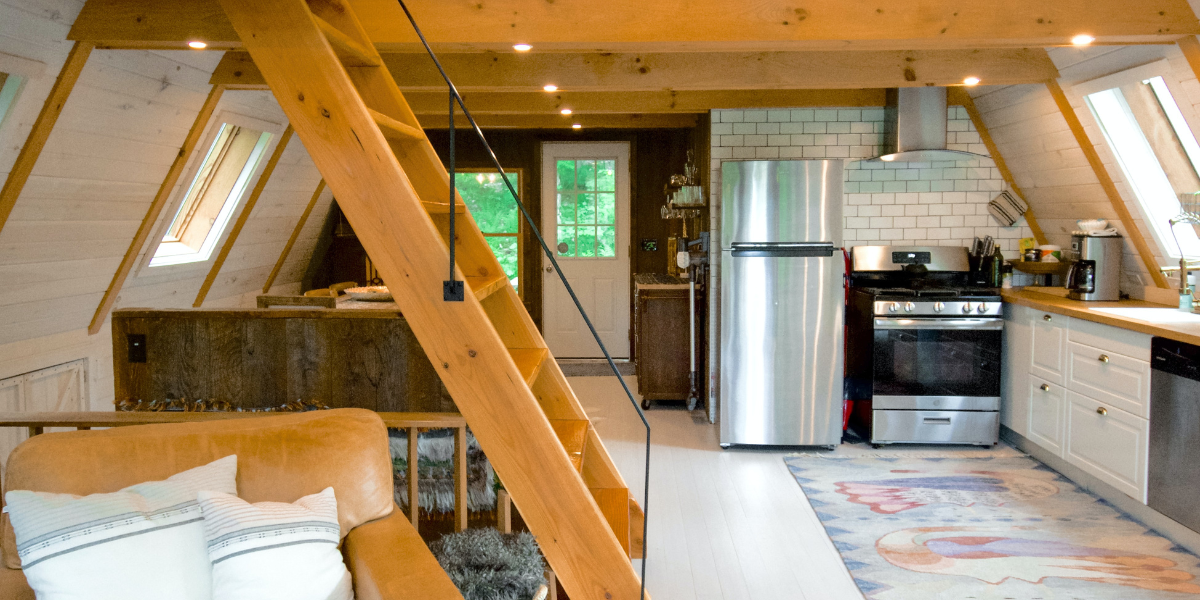
To start an Airbnb management business in the UK, you’ll need to choose your local market, define your services, find property owners, agree your management terms and establish reliable systems for bookings, guests, cleaning and maintenance.
You don’t need to own the properties yourself. Instead, you provide a management service for owners and earn an agreed fee.
It’s a way to build a business in property without purchasing a rental portfolio. However, it requires active management, dependable local support and a clear understanding of your costs.
Here’s how the model works and what to consider before getting started.
What is an Airbnb management business?
An Airbnb management business helps property owners operate accommodation advertised through Airbnb.
Depending on the agreement, your services might include:
- Creating and maintaining listings.
- Coordinating photography.
- Managing availability and pricing.
- Responding to booking enquiries.
- Communicating with guests.
- Arranging check-in and check-out.
- Coordinating cleaning and laundry.
- Managing maintenance requests.
- Reporting performance to the owner.
Some businesses provide a limited service, such as guest messaging. Others coordinate most of the day-to-day operation.
Airbnb is one booking platform. A wider serviced accommodation management business may also work with other platforms and direct bookings.
For more background, read our guide to what serviced accommodation is.
Do you need to own a property?
No. Under a management arrangement, you provide services for the property owner rather than purchasing the property yourself.
This differs from rent-to-rent, where an operator rents a property and, with the necessary permissions and arrangements, lets it to guests.
With management, your income comes from the fee agreed with the owner. Your responsibilities, expenses and payment arrangements should be clearly documented.
You’ll still need a startup budget for your business, even if you aren’t buying or leasing properties.
How does Airbnb co-hosting fit in?
Airbnb’s co-host tools allow a listing owner to give another person access to help manage aspects of their listing.
The access available depends on the permissions assigned. Those permissions should match the services you’ve agreed to provide.
Co-hosting tools don’t replace a clear business agreement. You and the owner should understand who handles each task, how fees are calculated and who pays expenses.
Read Airbnb’s introduction to co-hosting and its explanation of co-host permissions.
How to start an Airbnb management business
1. Choose a local market you can serve reliably
Start with an area where you can understand demand and coordinate the practical work.
Research:
- Comparable accommodation and advertised prices.
- Different sources of guest demand.
- Seasonal changes.
- Local competition.
- Availability of cleaners and contractors.
- Travel times between properties.
An attractive advertised nightly rate doesn’t tell you what a property earns across a year. Assess bookings, costs and quieter periods before making projections.
2. Decide what your service includes
Write down exactly what you’ll manage.
Will you handle listings and guest communication only, or also cleaning, maintenance and owner reporting?
Clarify:
- Who pays for cleaning and laundry.
- Who supplies linen and consumables.
- How maintenance spending is authorised.
- Who responds to urgent issues.
- Who manages refunds and complaints.
- How the owner receives reports.
Clear boundaries help you price the service and avoid misunderstandings.
3. Check each property’s suitability
Before accepting a property, establish whether it can be used for the proposed accommodation model.
Relevant checks may include local planning and licensing requirements, lease restrictions, lender conditions, insurance and safety responsibilities.
Requirements depend on the property and location. Agree who obtains the necessary confirmations and documentation before accepting bookings.
The owner’s preferred use does not automatically mean the property is suitable.
4. Build your operating team
Cleaning, laundry and maintenance are central to the guest experience.
Find dependable local providers and agree:
- What each clean includes.
- How completion is checked.
- How damage or missing items are reported.
- How last-minute changes are handled.
- Who provides backup when someone is unavailable.
You don’t necessarily need employees immediately, but you do need reliable arrangements.
5. Set up your technology and processes
You’ll need a consistent way to manage availability, guest messages, tasks, expenses and reporting.
If properties are advertised across multiple channels, consider how calendars will stay coordinated.
Create a checklist for onboarding each property, including its inventory, access arrangements, owner approvals and guest information.
For the wider operational foundations, read our guide to starting a property management company in the UK.
6. Find your first property owners
Start with owners whose properties and circumstances suit your service.
Potential routes include local networking, referrals, property contacts, useful website content and relationships with relevant businesses.
Explain the practical value you provide: handling guest communication, coordinating changeovers, maintaining records and helping the owner understand performance.
Use realistic projections and avoid promising guaranteed bookings or income.
7. Review performance before expanding
Start with a portfolio you can serve well.
Track guest feedback, owner satisfaction, cleaning reliability, response times and the time spent managing each property.
Add properties when your systems and capacity can support them.
How does an Airbnb management business make money?
Management businesses may charge a percentage of agreed booking revenue, a fixed fee or a combination of fees.
The right structure depends on your services and costs.
Your agreement should define the revenue figure used to calculate a percentage fee and how cleaning charges, platform fees, refunds and other adjustments are treated.
For an illustrative example, a 20% fee applied to £3,000 of agreed monthly revenue would generate £600 in management revenue.
That is not £600 of profit. Your business expenses still need to be deducted, and the figures are an example rather than a typical rate or earnings forecast.
If bookings vary, percentage-based management income will vary too.
How much does it cost to get started?
There isn’t one fixed startup cost.
Budget for:
- Business setup and professional advice.
- Appropriate insurance.
- Training.
- Website and branding.
- Software.
- Marketing.
- Travel and equipment.
- Working capital.
Agree separately which property-level costs belong to the owner and which your business will cover.
You may avoid the capital required to purchase a property, but you still need resources to launch and operate professionally.
If you’re comparing independent setup with franchise support, read about the initial costs of opening a property management franchise.
Can you run the business from home?
Yes. Listings, messages, reporting and much of the administration can be managed remotely.
Cleaning, maintenance and property checks still need local delivery. You’ll also need arrangements for guests who cannot access a property or encounter an urgent issue.
A home-based business can reduce premises costs, but it still needs dependable people and processes.
Should you focus only on Airbnb management?
You can specialise in short-stay accommodation or build a broader property management business.
A wider model may include traditional lettings and HMO management alongside serviced accommodation, depending on your skills, systems and local demand.
Each service has different responsibilities. Expand deliberately rather than offering everything before you can deliver it well.
The Sourced Living franchise supports Partners across traditional lettings, HMOs and serviced accommodation through its Flexi-Let model.
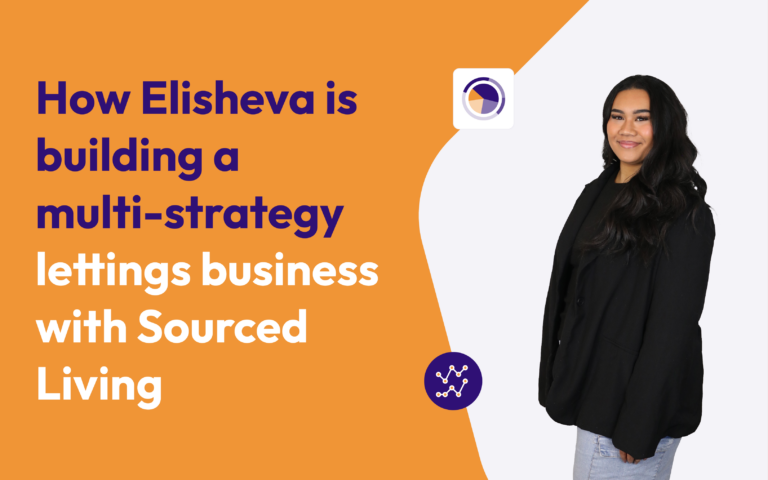
Read how Elisheva is building a multi-strategy lettings business for an example of this approach.
Starting independently or with Sourced Living
Starting independently means choosing your own brand, technology, suppliers and processes.
Alternatively, Sourced Living provides training, technology and ongoing support to help Partners build a lettings and property management business.
Its offer extends beyond managing accommodation advertised on Airbnb. Partners can develop different services through Flexi-Let and grow their managed portfolio over time.
For those ready to manage a larger operation, the Assisted Acquisitions Programme provides another potential route to growth through an established lettings business or portfolio.
Eligible Partners may receive up to 100% of an approved acquisition price, subject to readiness, due diligence and formal approval. Opportunities and timescales vary, and additional costs may still need to be covered.
Frequently asked questions
Can I manage Airbnb properties without owning them?
Yes. You can provide management services for property owners under an agreed arrangement, earning fees for the work you perform.
Is Airbnb management passive income?
It involves active operations, including guest communication, cleaning coordination and handling problems. Systems and a capable team can help you delegate tasks, but the service still needs oversight.
Do I need previous experience?
Experience in hospitality, customer service or property management can help. If you’re new, develop the necessary knowledge, processes and practical support before taking responsibility for clients’ properties.
How do I find property owners?
Use relevant local contacts, referrals, networking and useful marketing. Explain your service clearly and show owners how you’ll manage their property and communicate with them.
Is Airbnb management the same as rent-to-rent?
No. Management generally involves providing services for an owner in exchange for a fee. Rent-to-rent involves renting a property and operating it under the agreed terms, with different financial responsibilities.
Can I manage traditional rental properties too?
Yes, provided you have the knowledge, systems and arrangements to deliver those services. Our guide to starting a letting agency explains the broader agency model.
Ready to build a property management business?
Sourced Living helps Partners build businesses across traditional lettings, HMOs and serviced accommodation, with training, technology and ongoing support.
Download the Sourced Living prospectus to explore the model and what’s included.
If your longer-term goal is to run an established operation, discover how Sourced-funded lettings agency acquisitions work.