 Available Properties
 Find an Agent
 Bespoke property sourcing
 Investment App
 Sourced Financial Services
 Get a quote
 Blogs
 Podcast
 Guides
 Webinars
 Investment Strategies
 Choose Your Franchise
 Property Franchise
 Living Franchise
Rent to rent:
build property income without buying property
Rent to rent lets you rent a property from a landlord on a long-term agreement, then let it out yourself, legally and with their permission. Learn how to find, set up and run rent to rent deals, or source them for investors, with the training and support of Sourced.
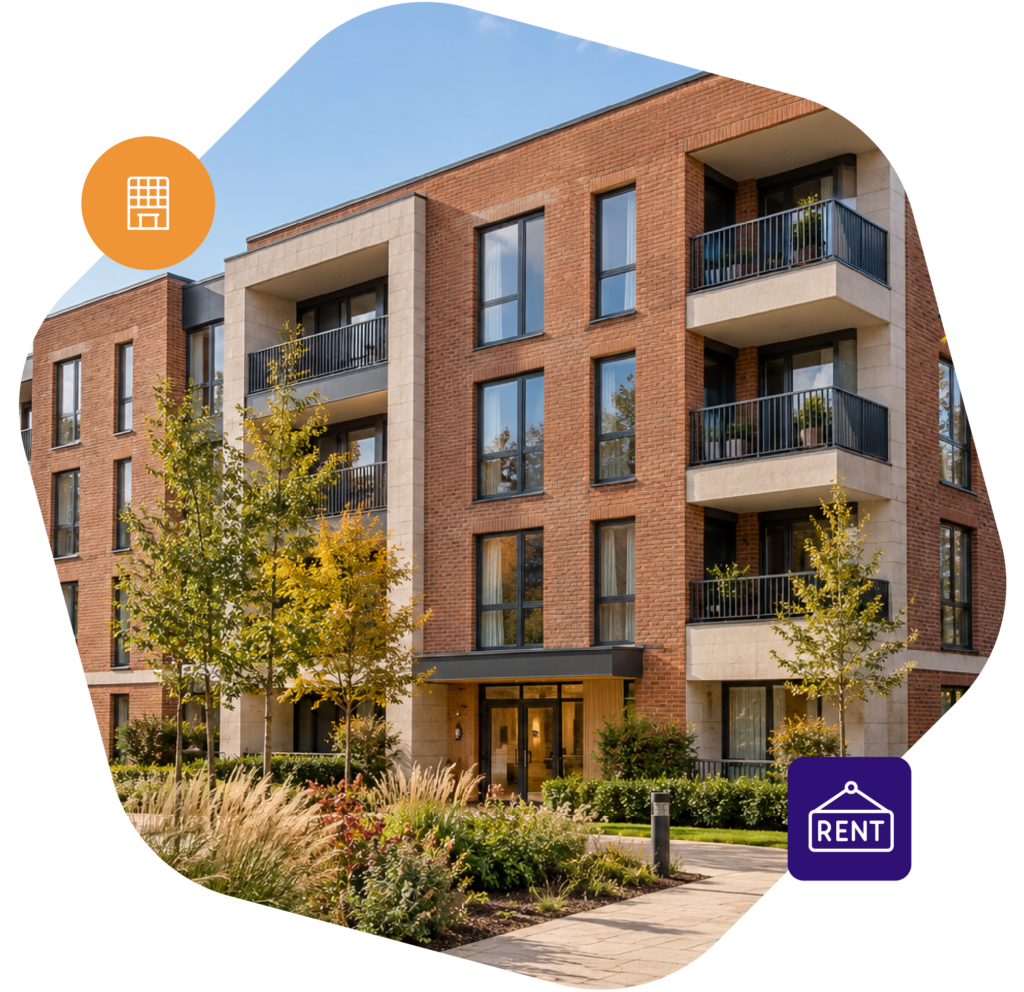
What is rent to rent?
A way to earn from property you don’t own.
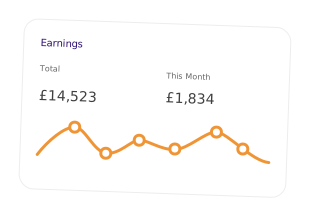
Rent to rent is a property strategy where you rent a property from a landlord on a fixed rent, usually for 3 to 5 years, with permission to let it out. You then rent it to tenants, often room by room as an HMO, or as serviced accommodation. Your income is the difference between the rent you collect and the rent and running costs you pay. The landlord gets a guaranteed rent and a well-managed property. You get monthly income without buying a property.

How does rent to rent work?
From finding the property to collecting rent, in 5 steps.

-
 Find the right property
Look for properties that suit HMO or serviced accommodation use, in areas with strong demand.
-
 Run the numbers
Work out the rent you can collect, the rent to the landlord, bills, furnishing, licensing and a buffer for empty rooms.
-
 Agree terms with the landlord
Agree the rent, the length of the agreement and permission to let, in a written contract.
-
 Get the property ready
Furnish it, arrange safety checks and any licence, and set up insurance.
-
 Let it and manage it
Find tenants or guests, collect rent, handle repairs and keep the landlord updated.
Rent to rent HMOs, serviced accommodation and single lets
Choose the model that suits your area and goals.
Rent to serviced accommodation
Rent a property and let it for short stays on platforms such as Airbnb. Higher nightly rates, but income varies with occupancy.
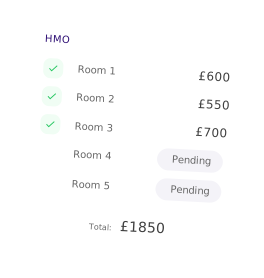
Rent to rent HMO
Rent a house and let it room by room to professionals or students. Usually the highest monthly income, with more management and licensing.
Single lets
Rent a property and let it to one household. Simpler to run, with lower margins.
Is rent to rent legal?
Yes, when it's set up properly. Rent to rent is legal when the landlord agrees in writing and the property's mortgage lender and insurer allow it. Problems come from cutting corners.
-
A written rent to rent contract
That sets out the rent, the term, who's responsible for what, and permission to let
-
Lender and insurer consent
From the landlord's mortgage lender and insurer
-
HMO licensing
Where required. The licence holder must be a "fit and proper person"
-
Safety and compliance
Gas, electrical, fire safety and deposit rules
-
Rules for agents
If you let property for others, join a property redress scheme and register with HMRC for anti-money laundering supervision
-
The Renters' Rights Act
Check how it affects your tenancies and contract structure

Do rent to rent deals, or source them for investors
Sourced Partners can earn from rent to rent in 2 ways.
-
Run your own deals
Find, set up and manage rent to rent properties yourself, and earn monthly income from each one.
-
Source deals for investors
Find rent to rent deals, package them, and earn a sourcing fee when an investor takes them on.


Rent to rent vs buy to let
How the 2 strategies compare.
-
Setup costs only: furnishing, compliance, deposit to the landlord
-
No
-
The gap between rent collected and rent paid
-
No
-
High: you manage tenants and the property
-
Empty rooms while you still pay the landlord
-
A deposit of around 25%, plus stamp duty and fees
-
Yes
-
Rent minus mortgage and costs
-
Yes
-
Low to medium, especially with an agent
-
Falling values, rates or rents
Build a rent to rent business with Sourced
Training, tools and people who've done it before.
-
Practical training on rent to rent
Learn rent to rent and other property strategies.
-
Deal Analysts
Get the numbers checked on all of your deals.
-
Personal Business Manager
One-to-one support to keep your business moving.
-
Investor network
Present R2R deals to investors through the Sourced app and platform.
-
Contract and compliance guidance
Have everything to run your business the right way.
-
Property accounting
Accounting built in, so you don't need an external accountant.


Start your rent to rent business
Book a discovery call-
Book a discovery call
Tell us what you want to build.
-
Get to know us
See how the training, Deal Analysts and investor network work, and speak to Partners already doing it.
-
Secure your franchise
If it's the right fit, we'll onboard you and help you start on your first R2R opportunities.
Rent to rent: frequently asked questions
-
Rent to rent, sometimes written rent 2 rent, is where you rent a property from a landlord on a long-term agreement, with permission to let it out, then rent it to tenants or guests. You earn the difference between the rent you collect and the rent and costs you pay.
-
You agree a fixed monthly rent with the landlord, usually for 3 to 5 years, in a written contract. You then furnish and prepare the property, let it as an HMO, serviced accommodation or a single let, and manage it. The landlord gets a guaranteed rent, and you keep the profit after costs.
-
Yes, when the landlord agrees in writing and their mortgage lender and insurer allow it. You also need to meet licensing, safety and deposit rules. Subletting without permission is not rent to rent and breaches the tenancy.
-
Much less than buying a property. Typical costs include furnishing, safety checks, any licence fee, a deposit to the landlord and a cash buffer for empty rooms. The total depends on the property and model.
-
The rent, the length of the agreement, permission to let, who pays for repairs and bills, how either side can end the agreement, and insurance responsibilities. Use a contract drafted or checked by a property solicitor rather than a generic template.
-
Yes. Rent to serviced accommodation means letting the property for short stays on platforms such as Airbnb. Check the landlord’s permission covers short lets, and any local planning rules, especially in London.
-
If the property is a licensable HMO, yes. Large HMOs need a mandatory licence, and some councils license smaller ones too. The licence holder must be a fit and proper person. Read do I need an HMO licence for 3 tenants?
-
The main risk is empty rooms or quiet periods while you still owe the landlord rent. Run the numbers carefully, keep a cash buffer, and choose areas with strong demand.
-
They’re two sides of the same arrangement. The landlord receives a guaranteed rent, and the operator runs the property using a rent to rent strategy.