Available Properties
 Find an Agent
 Bespoke property sourcing
 Investment App
 Sourced Financial Services
 Get a quote
 Blogs
 Podcast
 Guides
 Webinars
 Investment Strategies
 Choose Your Franchise
 Property Franchise
 Living Franchise
All you Need to Know about UK Property Flipping
Flipping involves buying a property below market value (BMV), renovating it to a much higher standard and selling on for a profit within a few months certain...
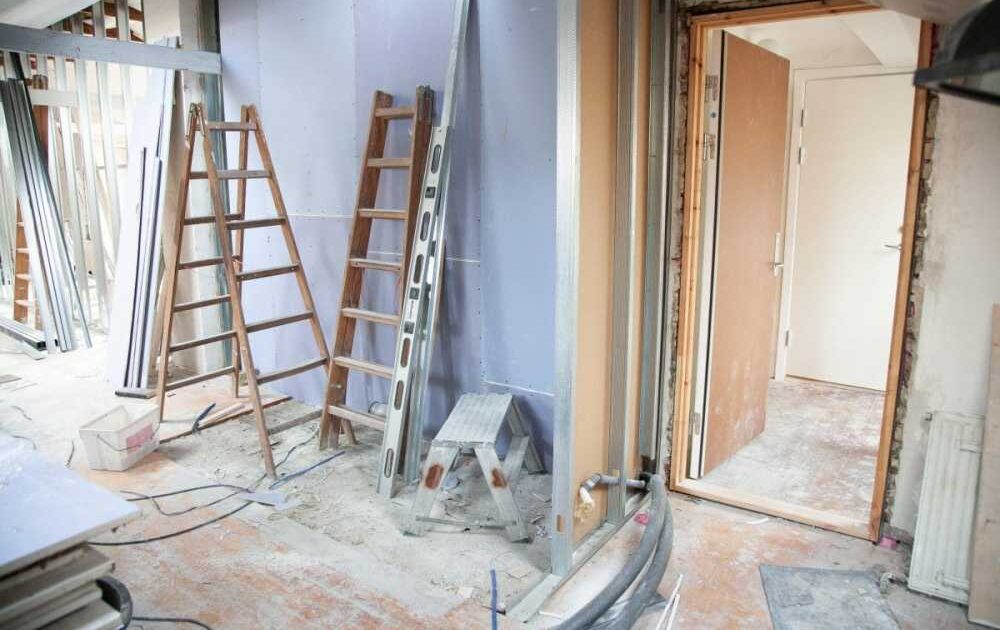
Flipping involves buying a property below market value (BMV), renovating it to a much higher standard and selling on for a profit within a few months – certainly, within one year.
Property Flipping UK: How to Flip a House for Profit
Property flipping involves buying a property, improving it and selling it for more than the total amount invested.
The potential profit comes from finding the right opportunity, adding value through refurbishment and controlling the costs from purchase to sale. However, flipping property is not as simple as buying a run-down house, giving it a quick makeover and putting it back on the market.
You need to understand the local market, calculate every cost, manage the refurbishment and have a realistic exit strategy before you buy.
In this guide, we explain how property flipping works in the UK, how to calculate potential profit and what you need to consider before starting your first project.
What is property flipping?
Property flipping is the process of buying a property with the intention of improving and selling it within a relatively short period.
The property may need cosmetic improvements, a full refurbishment or structural work. In some cases, value can also be added by improving the layout, increasing the number of bedrooms or resolving a legal, planning or condition-related issue.
The objective is to sell the finished property for more than the total purchase, refurbishment, finance and selling costs.
Property prices can fall as well as rise, so a successful flip should create value through the work completed rather than depending entirely on market growth.
How does property flipping make money?
A property flip may generate a profit when the final sale price is higher than the total amount spent on the project.
The basic calculation is:
Final sale price − purchase price − project costs = potential profit
Your project costs could include:
- Stamp Duty Land Tax
- Solicitor and conveyancing fees
- Survey costs
- Mortgage or bridging finance
- Valuation and arrangement fees
- Refurbishment work
- Materials
- Professional fees
- Building control or planning costs
- Insurance
- Utilities and council tax
- Estate agency fees
- Legal fees for the sale
- A contingency budget
Leaving out even one significant cost can turn an apparently profitable opportunity into a poor deal.
An example property flip
Here is a simple illustration of how the figures could work:
| Property flip costs | Example |
|---|---|
| Purchase price | £150,000 |
| Purchase and finance costs | £15,000 |
| Refurbishment | £30,000 |
| Holding and selling costs | £10,000 |
| Total project cost | £205,000 |
| Final sale price | £230,000 |
| Illustrative profit before tax | £25,000 |
These figures are illustrative only. Actual costs and results will vary according to the property, location, finance, work required and eventual sale price.
The important figure is not the difference between the purchase and sale prices. It is what remains after every cost has been deducted.
How much money do you need to flip a property?
The amount needed to start property flipping depends on the purchase price, finance arrangement and extent of the refurbishment.
Your initial budget may need to cover:
- A property deposit
- Stamp Duty Land Tax
- Legal and survey fees
- Finance fees
- Refurbishment costs
- Monthly interest payments
- Insurance and utilities
- A contingency fund
Some investors use cash, while others use a mortgage, bridging finance, private funding or a joint venture.
Short-term property finance can be more expensive than a standard mortgage. You need to understand the interest rate, arrangement fees, valuation costs, exit fees and repayment deadline before proceeding.
If you have limited capital, explore how to invest in property in the UK with little money.
How to find properties to flip
A suitable flip needs more than outdated decoration. It must offer a realistic opportunity to add enough value to cover every cost and leave an acceptable margin.
Potential opportunities can be found through:
- Estate agents
- Property auctions
- Landlords
- Developers
- Direct-to-vendor marketing
- Professional contacts
- Property sourcing businesses
- Local networking
- Off-market relationships
You could look for properties that are poorly presented, need modernisation, have an inefficient layout or are difficult to sell in their current condition.
However, a property being run-down does not automatically make it a good deal. Some properties are cheap because the work is expensive, the demand is weak or there are legal, planning or structural issues.
If you want to build a consistent pipeline of opportunities, learn more about starting a property deal sourcing business.
How to analyse a property flip
Before making an offer, you need to work backwards from a realistic final sale value.
1. Research the local market
Review comparable properties that have sold recently, not only those currently advertised.
Look for properties with a similar:
- Location
- Property type
- Floor area
- Number of bedrooms
- Condition
- Garden or parking
- Tenure
An asking price shows what the seller wants. A completed sale provides stronger evidence of what a buyer was prepared to pay.
2. Establish the realistic end value
The gross development value, often shortened to GDV, is the estimated value of the property after the planned work has been completed.
Your GDV should be based on local evidence. Do not assume that spending £30,000 on a refurbishment will automatically add £50,000 to the value.
Speak with local estate agents and review recent comparable sales before relying on an estimate.
3. Create a detailed schedule of works
List every part of the refurbishment and obtain quotes where possible.
Depending on the property, the work could include:
- Clearing the property
- Structural repairs
- Damp treatment
- Roofing
- Rewiring
- Plumbing and heating
- Windows and doors
- Kitchen and bathroom replacement
- Plastering
- Flooring
- Decoration
- Landscaping
- Waste removal
A detailed schedule makes it easier to compare contractor quotes, manage spending and avoid missed costs.
4. Include the purchase and finance costs
Your figures should include more than the purchase price and refurbishment.
Allow for tax, legal fees, finance, insurance, utilities, professional services, selling costs and the cost of holding the property for longer than planned.
5. Add a contingency
Unexpected problems are common during refurbishment projects, particularly when work begins and previously hidden issues become visible.
A contingency gives you some protection against additional work, material price changes and delays.
6. Stress-test the deal
Calculate what would happen if:
- The refurbishment cost more than expected
- The work took longer
- Finance costs increased
- The property sold for less than the estimated value
- A buyer withdrew
- The property took several additional months to sell
If the opportunity only works when everything goes perfectly, the margin may be too narrow.
What work adds value to a property?
The best improvements depend on the property and what buyers expect in that local market.
Potential value-adding work could include:
- Improving the kitchen and bathroom
- Modernising heating and electrics
- Repairing structural or condition issues
- Improving energy efficiency
- Creating a better layout
- Adding a bedroom where appropriate
- Increasing natural light
- Improving the exterior and garden
- Resolving planning or title issues
- Extending the property where viable
Avoid spending money on features that buyers in the area will not pay more for.
The goal is not to create the most expensive property on the street. It is to produce a finished property that suits the local market while protecting your margin.
Explore the refurb and flip property strategy for a summary of the model, suitable properties and funding routes.
How long does it take to flip a property?
The timescale depends on the purchase process, refurbishment and eventual sale.
You need to allow time for:
- Finding and assessing the opportunity
- Arranging finance
- Completing surveys and legal checks
- Purchasing the property
- Planning and scheduling the work
- Completing the refurbishment
- Marketing the finished property
- Finding a buyer
- Completing the sale
Delays can increase finance, insurance, council tax and utility costs. Your budget should account for the possibility that the project takes longer than expected.
Some lenders and buyers may also be cautious when a property has been owned for only a short period. Speak with your broker and solicitor about how a quick resale could affect the transaction.
Do you pay tax when flipping property?
Profits from regularly buying, renovating and selling properties may be treated as trading income rather than capital growth.
The tax position can depend on factors including:
- How the project is structured
- Whether you operate personally or through a company
- Your intention when purchasing the property
- How frequently you complete projects
- Your wider income and circumstances
Tax rules can be complex and individual circumstances differ. Speak with a qualified accountant or tax adviser before purchasing the property, as the structure chosen at the beginning can affect the eventual result.
Is property flipping suitable for beginners?
Property flipping can be suitable for a beginner, but it is not necessarily a simple first strategy.
A flip requires you to assess opportunities, arrange finance, manage contractors, control a budget and understand the local sales market. Mistakes can be expensive because significant money may be committed to one project.
Before starting, make sure you can:
- Analyse the complete project
- Understand the finance
- Check comparable sales evidence
- Carry out appropriate due diligence
- Manage contractors and timelines
- Maintain a contingency fund
- Cope with delays
- Make decisions when problems arise
- Exit the project if the original plan changes
Training and support can make a significant difference when you are completing a project for the first time.
Common property flipping mistakes
Overestimating the final value
Using the highest asking price in the area can make a weak deal look profitable. Base your figures on realistic comparable evidence.
Underestimating the refurbishment
Small items add up quickly. Obtain detailed quotes and include labour, materials, waste removal and finishing work.
Forgetting finance and holding costs
Every additional month can mean more interest, utilities, insurance and council tax.
Buying before completing due diligence
A low purchase price can hide structural problems, title restrictions, planning issues or weak buyer demand.
Making the property too personal
The finished property needs to appeal to the target buyer. Expensive personal design choices do not always add equivalent value.
Having only one exit strategy
If the property does not sell at the expected price, consider whether it could be refinanced, rented or sold at a lower figure without creating an unacceptable loss.
Real property flipping results from Sourced Partners
Sourced Property Partners have used their training and support to progress from finding opportunities to completing refurbishment and development projects.
Sajith and Fahad purchased a property for £130,000 and completed a substantial refurbishment before achieving a £250,000 result.
Read how Sajith and Fahad completed their property flip.
Besnik secured his first property project before completing his Sourced induction. He went on to create a significant result through the project.
Read how Besnik secured his first property flip.
These are individual Partner results and are not guarantees of future performance. Every property project, market and person is different.
Build a property business with more behind you
Finding a potential property flip is only the beginning.
You still need to understand the local market, analyse the opportunity, secure funding, manage the refurbishment and find the right buyer.
As a Sourced Property Partner, you receive the training, systems and ongoing support needed to build your own property business.
This includes:
- Hands-on property training
- A personal growth manager
- Property technology and calculators
- Deal analysis support
- Lead generation
- Investor database access
- An integrated CRM
- Legal and marketing resources
- Accounting support
- Access to the wider Partner network
- The backing of an established national brand
Some investors refurbish and keep the property instead, using the BRRR strategy: buy, refurbish, refinance and rent.
You can begin by sourcing property deals and building relationships with investors, then progress into flips, HMOs and larger developments as your knowledge and experience grow.
You are not simply learning how to flip a property. You are building a property business with the infrastructure already in place.
Explore the Sourced Property Franchise
Download the Property Franchise prospectus
Frequently asked questions
What is property flipping?
Property flipping is the process of buying a property, improving it and selling it for more than the total amount spent. The potential profit is calculated after deducting the purchase price, refurbishment, finance, tax, holding costs and selling fees.
Is property flipping legal in the UK?
Yes, property flipping is legal in the UK. However, you must comply with the relevant tax, planning, finance, building control and property sale requirements. Your solicitor, accountant and other professional advisers can help you understand what applies to a particular project.
How much profit can you make flipping a house?
There is no guaranteed profit from flipping a house. The result depends on the purchase price, refurbishment, finance, holding costs and final sale value. Calculate what remains after every cost and stress-test the project against delays and a lower sale price.
How much money do you need to flip a property?
The amount depends on the property and finance used. You may need a deposit, purchase costs, refurbishment funds, finance payments and a contingency. Even when borrowing, you will usually need access to capital before the project begins.
Can you flip a property without experience?
You can complete a property flip without previous experience, but you still need to understand deal analysis, finance, refurbishment management and the local sales market. Training, professional advice and support from experienced people can help reduce avoidable mistakes.
Can you flip a property without buying it?
An assisted sale may allow an investor to fund and manage improvements to a property before it is sold, without purchasing it first. This needs to be structured carefully through appropriate legal agreements that protect the property owner and investor.
How do you find properties to flip?
Potential flips can be found through estate agents, auctions, direct-to-vendor marketing, landlords, developers, professional contacts and property sourcers. The key is finding an opportunity where sufficient value can realistically be added after every cost.
Is property flipping better than buy-to-let?
Property flipping aims to produce a lump-sum return after a sale, while buy-to-let is generally used for ongoing rental income and potential long-term capital growth. The better strategy depends on your available capital, skills, income goals and appetite for risk.
Continue building your property knowledge
Explore the Sourced Property Franchise
Explore the refurb and flip strategy
How to make money from property in the UK
How to invest in property with little money