Available Properties
 Find an Agent
 Bespoke property sourcing
 Investment App
 Sourced Financial Services
 Get a quote
 Blogs
 Podcast
 Guides
 Webinars
 Investment Strategies
 Choose Your Franchise
 Property Franchise
 Living Franchise
What Is Serviced Accommodation?
How serviced accommodation works, who stays in it, how it makes money and the rules to check before you start.
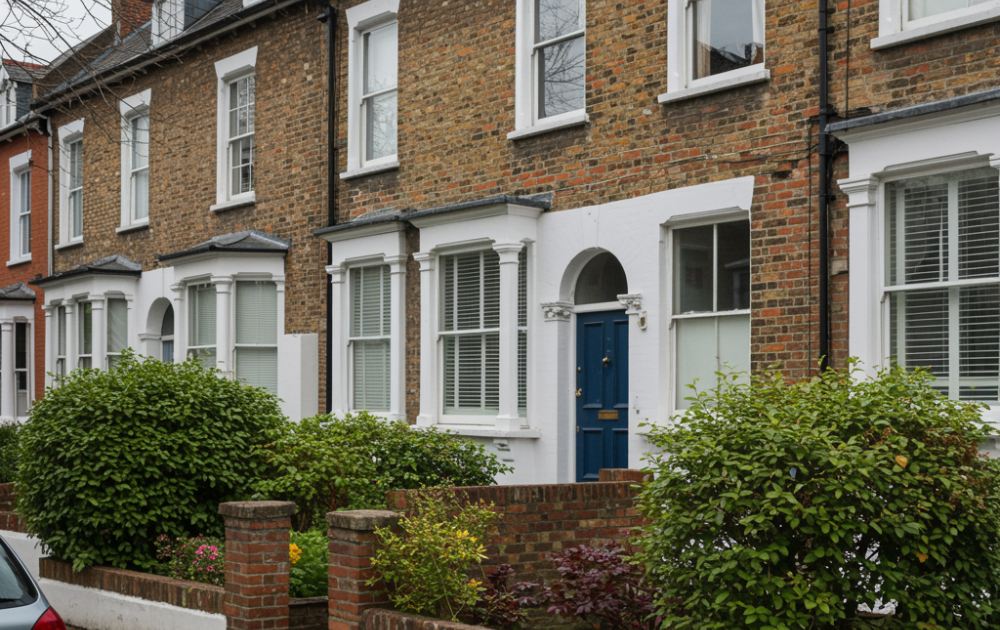
Serviced accommodation is a fully furnished property let for short stays, usually from one night to a few months, with services such as cleaning, fresh linen and Wi-Fi included. Guests book it like a hotel, but they get a whole flat or house. Common guests are business travellers, contractors and families who are relocating.
This guide explains how serviced accommodation works, how it differs from holiday lets and Airbnb, how it makes money, and the rules to check before you start.
Key takeaways
- Serviced accommodation is a furnished property let by the night, with hotel-style services included.
- It can earn more than a standard let, but running costs are higher and income depends on occupancy.
- Mortgage, lease, planning and licensing rules all need checking before you start.
- The furnished holiday lettings tax regime ended in April 2025, so short lets are now taxed much like other rental income.
How serviced accommodation works
A serviced accommodation property is set up to be ready for guests at any time. It’s fully furnished, with a kitchen, bedding, towels, Wi-Fi and often a TV with streaming. Between stays, it’s cleaned and the linen is changed.
Guests book through platforms such as Airbnb and Booking.com, directly through the operator’s website, or through corporate booking agents. Payment is per night, often with discounts for longer stays.
The property can be owned by the operator, or rented from a landlord and run as serviced accommodation with the landlord’s permission.
Who stays in serviced accommodation?
- Business travellers who want more space than a hotel room
- Contractors working on a project in the area for weeks or months
- Families relocating or waiting for a house sale to complete
- Families displaced by insurance claims, such as after a flood or fire
- Leisure guests visiting for weekends, events and holidays
Serviced accommodation vs holiday lets vs Airbnb
- Serviced accommodation: short and medium stays, often in towns and cities, aimed at business travellers, contractors and relocations. Guests book all year round.
- Holiday lets: usually in tourist areas, aimed at leisure guests. Bookings tend to be seasonal.
- Airbnb: a booking platform, not a type of property. Serviced accommodation is often listed on Airbnb, Booking.com and other sites, and also booked directly.
How does serviced accommodation make money?
Serviced accommodation earns a nightly rate rather than monthly rent. When occupancy is good, that can bring in more than a standard let on the same property. It also costs more to run:
- Cleaning and laundry after every stay
- Booking platform fees and commission
- Utilities, council tax or business rates, Wi-Fi and streaming
- Furniture and replacing worn items
- Management time, or a management company’s fee
Profit depends on occupancy, nightly rate and how well these costs are controlled. A property needs consistent bookings all year, not just a busy summer.
Pros and cons of serviced accommodation
Pros
- Potentially higher income than a standard let
- Flexibility to use the property yourself or change strategy
- Regular cleaning and inspections keep the property in good condition
Cons
- Income varies month to month
- More time to manage, or a management fee to pay
- Higher running costs
- More rules to check, which vary by area
What is a serviced apartment?
A serviced apartment is a flat run as serviced accommodation. It’s fully furnished, with a kitchen, and includes services such as cleaning, linen and Wi-Fi. Serviced accommodation is the wider term, and it can be an apartment or a whole house.
Thinking about using a management company? Read our guide to whether serviced accommodation management is worth it.
Rules to check before you start
- Mortgage and lease: most buy-to-let mortgages and many leases don’t allow short lets without permission.
- London: homes can only be let short term for up to 90 nights a year without planning permission.
- Scotland: short-term lets need a licence from the local council.
- Wales: a property must be let for at least 182 days a year to qualify for business rates rather than council tax.
- Tax: the furnished holiday lettings tax regime ended in April 2025, so short lets are now taxed much like other rental income.
- Safety: fire safety, gas and electrical safety rules apply, and the property needs the right insurance.
Local rules change, so check with your council before you buy or convert a property.
Building a property business with Sourced
Serviced accommodation is one of several strategies Sourced Property Partners can build a business around, alongside deal sourcing, HMOs and below market value property. Partners get the training, technology and support to find deals that work for investors.
Want to build a business around SA? Find out how to build a serviced accommodation business with Sourced, whether you run it yourself or source deals for investors.
Frequently asked questions
What is serviced accommodation?
A fully furnished property let for short stays, with services like cleaning and linen included. Guests book it by the night, like a hotel.
Is serviced accommodation the same as Airbnb?
No. Airbnb is a booking platform. Serviced accommodation is a type of property, which can be listed on Airbnb and other sites or booked directly.
Is serviced accommodation profitable?
It can earn more than a standard let, but running costs are higher and income depends on occupancy. Profit comes from steady bookings all year and tight cost control.
Do I need planning permission for serviced accommodation?
It depends where the property is. In London, short lets over 90 nights a year need planning permission. Scotland requires a licence. Check with your local council before you start.
Ready to build a property business?
Whether it’s serviced accommodation, HMOs or deal sourcing, Sourced Property Partners get the training and support to build a business around property.